


Views: 0 Author: Site Editor Publish Time: 2025-07-01 Origin: Site


In material handling, moving large or heavy items efficiently is essential for both businesses and individuals. Dollies and trolleys are two commonly used tools for transporting items, but many people may not be aware of the differences between them. These terms are often used interchangeably, but each tool has its unique design and applications. Understanding these differences can help you choose the right equipment for your needs.
In this article, we will explore the definitions of dollies and trolleys, the differences between them, and their applications. We will also help you determine which tool is best suited for your specific moving tasks.
Introduction
What is a Dolly?
What is a Trolley?
Key Differences Between a Dolly and a Trolley
Types of Dollies and Trolleys
Applications of Dollies and Trolleys
How to Choose Between a Dolly and a Trolley
Conclusion
Frequently Asked Questions
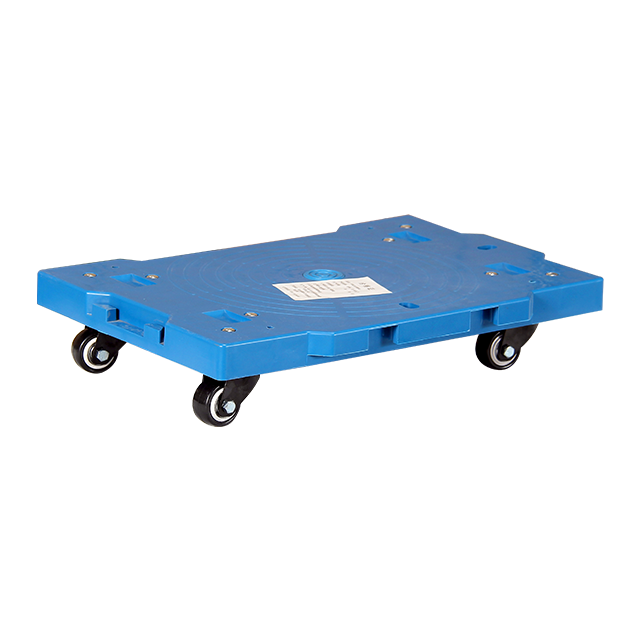
A dolly is a flat, wheeled platform typically used to move large or heavy objects. It is generally a simple, four-wheeled cart that provides stability and allows the load to be moved smoothly across surfaces. Dollies are often used for larger, bulkier items such as furniture, appliances, or large boxes.
Flat Platform: Most dollies feature a flat surface, although some have multi-level designs.
Four Wheels: Dollies typically have four wheels, which help distribute weight evenly and provide stability.
No Handle: Unlike trolleys, dollies usually do not have handles, and the user must push or pull the dolly by guiding it with their hands.
Furniture Moving: Ideal for moving large items like sofas, dressers, and tables.
Appliance Transport: Often used for moving large appliances such as refrigerators and washing machines.
Industrial Use: In warehouses and factories, dollies are used for transporting heavy crates, machinery, or equipment.
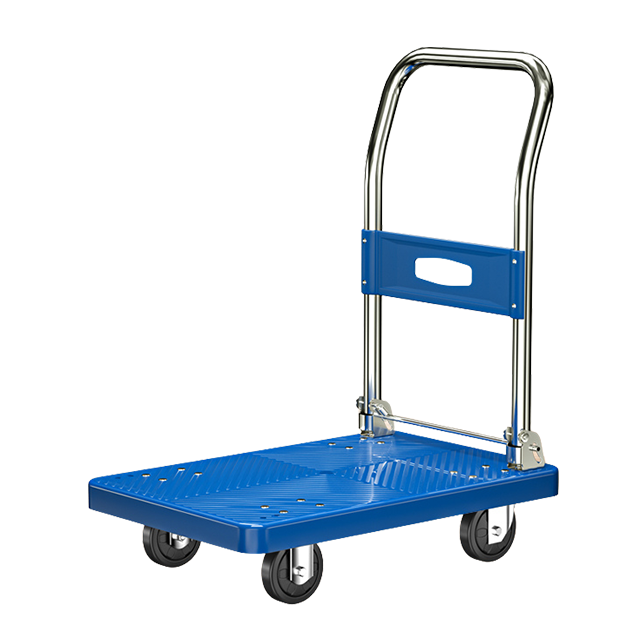
A trolley is a wheeled device similar to a dolly but typically features handles that assist in maneuvering the load. Trolleys are generally more versatile than dollies, as they can come in different shapes, sizes, and designs to handle various types of loads.
Handles: Trolleys come with handles to make it easier to push or pull the load.
Wheels: Like dollies, trolleys also come with wheels, often larger and more specialized for different surfaces.
Versatile Designs: Trolleys can come in various configurations, such as platform trolleys, hand trucks, and folding trolleys.
Material Handling: Used in warehouses, factories, and retail spaces for transporting goods.
Moving Heavy Appliances: Especially used for transporting tall, heavy items such as refrigerators or washing machines.
Shopping Carts: In retail environments, trolleys are often used to carry shopping items.
While both dollies and trolleys are designed for moving heavy loads, there are key differences between the two tools. Here are the main distinctions:
Dolly: Does not typically have a handle. Users push or pull the dolly by guiding it from behind.
Trolley: Comes with handles, making it easier to maneuver, especially for heavier or more awkward loads.
Dolly: A simple, flat platform with four wheels, typically used for heavier, bulkier items.
Trolley: Can be more versatile, with designs ranging from simple flat platforms to more complex configurations such as hand trucks (L-shaped designs) or folding trolleys.
Dolly: Less maneuverable than a trolley. Dollies often require more space to turn due to their basic, flat design.
Trolley: More maneuverable due to the handles and wheels that can be steered, making it easier to navigate tight spaces or rough terrain.
Dolly: Typically designed to carry larger, heavier items, as it provides better stability with its four-wheel platform.
Trolley: Generally used for lighter loads, although industrial trolleys can carry substantial weight.
Dolly: Often used for larger items like furniture, machinery, and appliances that need to be transported over long distances.
Trolley: More commonly used in retail, warehouses, and factories for moving smaller loads or frequently used equipment.
Both dollies and trolleys come in various designs, depending on the application. Below are some common types:
Furniture Dolly: Designed to carry large pieces of furniture, often with a flat wooden or metal platform.
Appliance Dolly: Typically equipped with straps or mechanisms to secure appliances like refrigerators and washing machines.
Industrial Dolly: Heavy-duty dollies designed for moving large, heavy machinery or equipment in industrial settings.
Platform Trolley: A flat, four-wheeled trolley with a handle, used for moving large, flat items like boxes or crates.
Hand Truck (or Sack Truck): A two-wheeled trolley with an upright frame, often used for moving items vertically or up stairs.
Folding Trolley: A compact, foldable design, often used for smaller loads or in situations where portability is important.
Both dollies and trolleys are used in various industries and environments. Here’s a look at some common applications:
Furniture Moving: Moving heavy furniture such as sofas, chairs, and tables with minimal effort.
Warehouses and Manufacturing: Used for moving crates, boxes, and heavy equipment across factory floors.
Event Planning: Dollies help in transporting heavy event equipment, including tables, chairs, and large décor items.
Retail and Shopping: Trolleys are commonly used in supermarkets and retail stores to carry items from one location to another.
Industrial Settings: Used to transport tools, boxes, and other materials across factories or construction sites.
Personal Use: Trolleys can be used for personal tasks like moving groceries, luggage, or other small loads.
Choosing the right material handling tool depends on several factors, including the type of load, maneuverability requirements, and space constraints. Here's how to decide:
For Large, Heavy Items: If you're moving large or heavy objects like furniture or industrial machinery, a dolly is typically the better choice due to its stability and weight distribution.
For Lighter, Smaller Loads: A trolley is more versatile and easier to maneuver, especially if you need to navigate through tight spaces or around obstacles.
For Frequent Use: If you need a tool for frequent use in a warehouse or retail environment, a trolley may be more practical, as it often comes with features like handles for easy maneuvering and the ability to handle smaller items more efficiently.
The terms dolly and trolley refer to two types of material handling tools that serve similar functions but have distinct differences. Dollies are ideal for moving larger, heavier items with a flat platform and no handle, while trolleys are more versatile, often equipped with handles and used for a wider range of tasks. Understanding the key differences and applications of each can help you make an informed decision when selecting the right equipment for your needs.
Can I use a dolly to move all types of furniture?
Yes, furniture dollies are specifically designed for moving large furniture items. For smaller or lighter pieces, a trolley may be more appropriate.
What is the weight capacity of a typical dolly?
The weight capacity varies depending on the design, but most dollies can handle loads ranging from 500 to 1,000 pounds.
Is a trolley better for moving items on stairs?
Yes, hand trucks or sack trucks, a type of trolley, are designed to help move items up and down stairs, making them ideal for vertical transport.
Which is easier to maneuver: a dolly or a trolley?
Trolleys are generally more maneuverable due to the inclusion of handles and wheels designed for tight spaces. Dollies, on the other hand, require more space to turn.
Langyi offers a wide range of dollies and trolleys for various material handling tasks. Contact us today for more information on which equipment is best suited for your needs!


