


Views: 0 Author: Site Editor Publish Time: 2026-07-10 Origin: Site


Standard mobility equipment fails rapidly in demanding environments. Workplaces requiring frequent washdowns, chemical spill management, or outdoor exposure destroy basic hardware. Water ingress strips essential lubrication away from moving parts. Harsh industrial detergents eat through cheap metal finishes. You face steep hidden costs when relying on poor selections. Operators struggle against premature bearing seizure and aggressive daily corrosion. Compromised floor safety dramatically increases workplace injury risks. Recurring maintenance downtime ruins strict productivity schedules. This article delivers a rigorous technical evaluation framework for selecting highly durable mobility solutions. We explore exactly what makes a unit capable of surviving wet conditions long-term. We analyze stainless steel grades, sealed bearing technologies, and non-porous treads carefully. You will learn how to match specialized hardware to strict facility compliance standards. Our guidance ensures your operational workflows remain uninterrupted, safe, and highly efficient over the long term.
True waterproof performance relies on a combination of high-grade stainless steel rigs, sealed precision bearings, and non-absorbent wheel treads.
Selecting the correct mounting configuration, such as thread stem industrial casters versus top plates, directly impacts load distribution and structural integrity.
Upfront investment in IP-rated, corrosion-resistant casters yields measurable ROI by eliminating cyclical replacement costs and mitigating ergonomic hazards.
Facility compliance (e.g., FDA, NSF, or strict cleanroom standards) mandates verifiable material specifications over generic "rust-proof" claims.
Standard zinc-plated hardware relies on a superficial layer to prevent oxidation. Once scratched, moisture enters the core material. Washdown procedures often utilize caustic chemicals and high-pressure hoses. These cleaning agents strip away thin protective layers aggressively. Thermal shocks exacerbate the damage significantly. Rapid shifts between hot water cleaning and cold storage expand and contract the metal. This physical action pulls moisture deep into unprotected raceways. Rust begins forming within days. Oxidation weakens the metal structure and contaminates the surrounding environment. Basic equipment simply cannot survive these relentless daily exposures.
Degraded equipment severely impacts daily productivity. Seized wheels demand massive physical effort to move. Operators face dangerous push and pull resistance levels constantly. This physical strain easily violates standard ergonomic safety guidelines. Musculoskeletal injuries occur much more frequently in these environments. Sick leave increases as employee fatigue sets in. Workflows grind to a halt because a single heavy cart refuses to roll smoothly. Maintenance teams spend hours fighting jammed wheels instead of performing critical preventative tasks. These continuous bottlenecks reduce overall facility output and frustrate your workforce daily.
Procurement must look far beyond initial unit prices. Real success means achieving uninterrupted daily workflow. It means ensuring zero rust contamination on sterile cleanroom floors. It requires eliminating manual bearing lubrication tasks completely. Your equipment should survive harsh chemical washdowns indefinitely. Success criteria must prioritize lifecycle longevity and sustained ergonomic safety. Shifting your focus toward robust engineering prevents constant hardware failures. You secure reliable operational efficiency when you demand verified, high-performance mobility solutions.
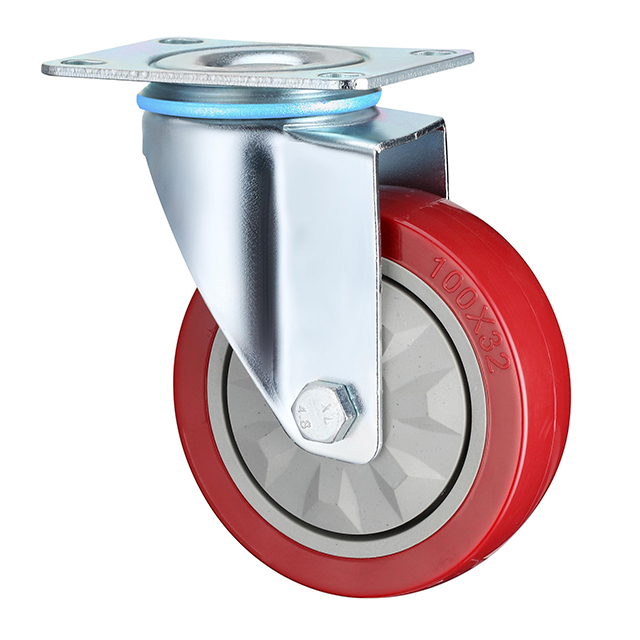
We must evaluate base materials critically. Industry professionals primarily compare 304 and 316 stainless steel. Type 304 resists standard water exposure very well. It handles basic food processing environments reliably. Type 316 contains added molybdenum. This addition resists harsh chlorides, salt spray, and heavy industrial solvents. Protective coatings like galvanization or powder coating fail easily under stress. High impacts chip these superficial coatings fast. Exposed carbon steel rusts almost immediately. We heavily advise specifying solid stainless steel rigs for absolute durability. This prevents hidden structural decay and maintains sanitary conditions flawlessly.
Material Grade | Corrosion Resistance | Chemical Resistance | Best Application Environment |
|---|---|---|---|
Zinc-Plated Steel | Low | Low | Dry, indoor warehouses only |
304 Stainless Steel | High | Moderate | Standard food processing, wet rooms |
316 Stainless Steel | Exceptional | High | Marine, harsh chemical washdowns |
Standard roller bearings fail rapidly in wet zones. They leave large mechanical gaps completely open to liquids. Washdown jets force water straight into the raceway. Precision ball bearings solve this vulnerability effectively. High-quality designs seal the internal mechanics tightly. They trap essential grease inside and block external moisture out. You must check standard Ingress Protection (IP) ratings during procurement. IP65 handles low-pressure water jets safely. IP66 survives rigorous high-pressure washing procedures. IP67 tolerates brief complete submersion. Securing high IP ratings guarantees your internal mechanics remain perfectly protected.
Tread material dictates overall floor performance. Polyurethane offers an excellent balance of durability and floor protection. It resists many aggressive chemicals and absorbs very little water. Solid nylon excels in extreme washdown scenarios. It sheds water entirely and resists microbial growth perfectly. Solid nylon handles massive weight loads without deforming. Engineered rubber gives a cushioned ride for fragile loads. However, cheap basic rubber absorbs moisture over time. This absorption causes swelling and rapid degradation. You must always specify non-porous engineered compounds for wet environments.
Many specialized carts utilize tubular steel frames. These unique designs demand specific mounting hardware. Threaded stems screw directly into the equipment legs. They fit tight dimensional clearances beautifully. Stainless steel medical carts heavily rely on them. However, they carry strict structural limitations. A single vertical stem concentrates all stress on one narrow point. This design naturally lowers the maximum safe load capacity. Heavy lateral impacts can bend the threaded stem permanently. You must strictly monitor weight limits when deploying these units.
Heavy-duty operations require highly robust foundations. Top plates utilize four separate thick bolts. They distribute dynamic shock loads across a much wider surface area. High static weights sit safely on broad, flat plates. Structural integrity increases dramatically under heavy stress. You gain superior stability for moving massive fluid tanks or fully loaded bins. The flat plate design resists twisting forces perfectly during sharp turns. This configuration remains the ultimate choice for extreme load-bearing applications.
Use a systematic approach to select your mounting hardware:
Analyze the existing equipment framework closely. Tubular legs generally require threaded stems. Flat structural bases easily accept top plates.
Calculate your peak dynamic load requirements. Heavy loads strictly demand four-bolt plate mounts to prevent failure.
Evaluate spatial clearance restrictions carefully. Tight machine spaces might necessitate slim stem designs.
Review all structural mounting points. Ensure the equipment base can handle the localized stress safely.
Food processing plants follow incredibly strict hygiene rules. NSF certification demands specific sanitary designs. Washdown areas cannot feature debris-trapping crevices. Smooth, polished surfaces prevent bacterial colonies from forming. Pharmaceutical cleanrooms require similar stringent standards. Verifiable material tracing proves absolutely critical here. You must avoid generic marketing labels claiming a product is simply "rust-proof." Demand certified documentation proving exact stainless steel grades. Auditors will check these specifications closely. Non-compliant hardware can trigger severe facility fines or forced shutdowns.
Harsh environments punish basic hardware relentlessly. Uneven facility floors cause uneven weight distribution constantly. Sometimes only three wheels touch the ground simultaneously during transit. You must calculate your safety margin correctly to prevent catastrophic failure. Divide the total maximum cart weight by three, rather than four. This calculation gives you the true required load capacity per unit. Continuous moisture also degrades lower-tier plastics. Over months of exposure, cheap polyurethane softens significantly. Dynamic load capabilities plummet unexpectedly. Specifying premium Casters ensures your materials maintain peak structural integrity despite endless moisture.
Do not guess your facility requirements. Walk the entire production floor systematically. Map your current failure points carefully. Identify exactly which carts seize up the fastest. Note where operators complain about extreme push resistance. Check floors for rust trails or damaged concrete. Documenting these specific details helps you target the most critical zones first. A thorough audit prevents wasteful, ill-fitting bulk purchases. You gain clear data to justify upgrading to premium waterproof hardware.
Run a controlled trial before committing to a massive facility upgrade. Follow these specific testing steps:
Select the highest-wear equipment operating in your wettest zone.
Install a specialized set of fully sealed, waterproof wheels.
Monitor operational performance strictly for 30 to 60 days.
Validate push and pull ergonomic metrics with your operators.
Inspect the hardware closely for any early signs of water ingress or rust.
This pilot phase guarantees the selected hardware truly meets your demanding environmental conditions.
Evaluate manufacturers rigorously before signing contracts. Focus on several critical business criteria. Check their exact warranty terms covering environmental corrosion. Verify their typical lead times for emergency replacement parts. Demand verifiable traceability regarding their stainless steel grades. Ensure they offer a broad availability of specific mounting configurations. A reliable manufacturer acts as an engineering partner. They will gladly provide technical drawings and material certificates to support your compliance efforts.
Specifying waterproof hardware remains a specialized engineering decision, never a basic consumable purchase.
Prioritizing fully sealed precision bearings prevents massive daily workflow disruptions.
Choosing correct non-porous wheel materials ensures ongoing regulatory compliance perfectly.
Selecting the appropriate mounting style maximizes structural safety under heavy loads.
Next step: Consult a specialized manufacturer today to match technical specifications exactly to your harsh facility requirements.
A: True waterproof units feature completely sealed precision bearing raceways. They utilize solid, high-grade stainless steel housings and entirely non-porous wheel materials. Water-resistant models often rely on temporary surface coatings and open bearings. These cheap coatings chip away fast. This exposes the core metal, allowing moisture to destroy internal mechanics rapidly.
A: You should specify them when navigating strict equipment design constraints. They fit perfectly into tubular metal legs or narrow frames where flat mounting surfaces remain unavailable. Always keep their lower maximum load limits in mind. Never deploy them on extremely heavy carts where structural bending might occur.
A: No. Occasional moisture situations might only require high-grade engineered plastics or heavily treated metals. However, environments experiencing continuous washdowns or aggressive chemical exposures mandate solid stainless steel. Anything less will suffer rapid corrosion, risking workflow shutdowns and severe hygiene contamination.
A: Extreme cold freezes trapped water inside basic, unsealed bearings. This locks the wheel entirely. High heat thins standard internal grease, allowing high-pressure water jets to wash it out. You must use specialized high/low-temperature food-grade lubricants enclosed within tightly sealed systems to maintain smooth mobility.


