


Views: 0 Author: Site Editor Publish Time: 2026-07-05 Origin: Site


Rising pressure on warehouse throughput creates immense daily challenges. Hidden operational costs tied to inefficient material handling quietly drain facility profitability. Logistics managers constantly battle tight fulfillment deadlines alongside shrinking operating margins. Rigid, single-purpose transport equipment often causes severe workflow bottlenecks on the floor. Workers lose valuable time performing multiple trips for mismatched, oversized loads. Facilities also rely too heavily on expensive, specialized machinery for routine transport tasks. This inherent inflexibility drives up labor costs and severely slows fulfillment speeds.
Upgrading to a modular Platform Dolly system dramatically reduces this material handling friction. They adapt instantly to shifting inventory demands and dynamic warehouse layouts. You will discover how modular cart solutions optimize floor resources and lower injury risks. We will explore how this strategic equipment upgrade delivers measurable returns through unmatched operational flexibility.
Scalability: Modular platform dollies allow for seamless linking and configuration, adapting instantly to varying load sizes and facility layouts.
Resource Optimization: Converting a standard base into a specialized Custom Dolly or mobile Tool Cart eliminates the need to purchase and store redundant equipment.
Risk Mitigation: Standardizing transport solutions around high-quality modular units reduces ergonomic injuries and minimizes floor damage.
Evaluation Focus: The true value of a dolly system depends on dynamic load capacities, caster wheel specifications, and facility-specific terrain compatibility.
Many warehouses struggle daily when using fixed transport equipment. Workers waste hundreds of valuable labor hours annually. They constantly search for specific cart types across massive distribution facilities. Fixed load constraints force warehouse staff into making multiple manual trips. They cannot combine different product types onto a single rigid frame safely. This daily friction directly harms your overall throughput metrics.
Space inefficiency presents another major financial hurdle. Facilities often house separate flatbeds, hand trucks, and bulky specialized carts. These redundant assets sit completely idle during off-peak fulfillment cycles. They consume premium operational floor space. You could otherwise use this precious square footage for revenue-generating inventory storage.
Forcing standard carts into non-standard jobs creates serious safety risks. Operators face poor load distribution when moving irregular freight. This directly increases physical strain on the body. It raises expensive ergonomic injury rates among your hardworking workforce. We must redefine how we measure long-term transport efficiency.
Speed alone no longer guarantees operational success. True success metrics now require dynamic payload flexibility. You need fewer physical touchpoints per shift. Standardized maintenance protocols across your entire transport fleet also drive reliable, daily performance. By addressing these hidden costs, you build a much stronger foundation for warehouse scaling.
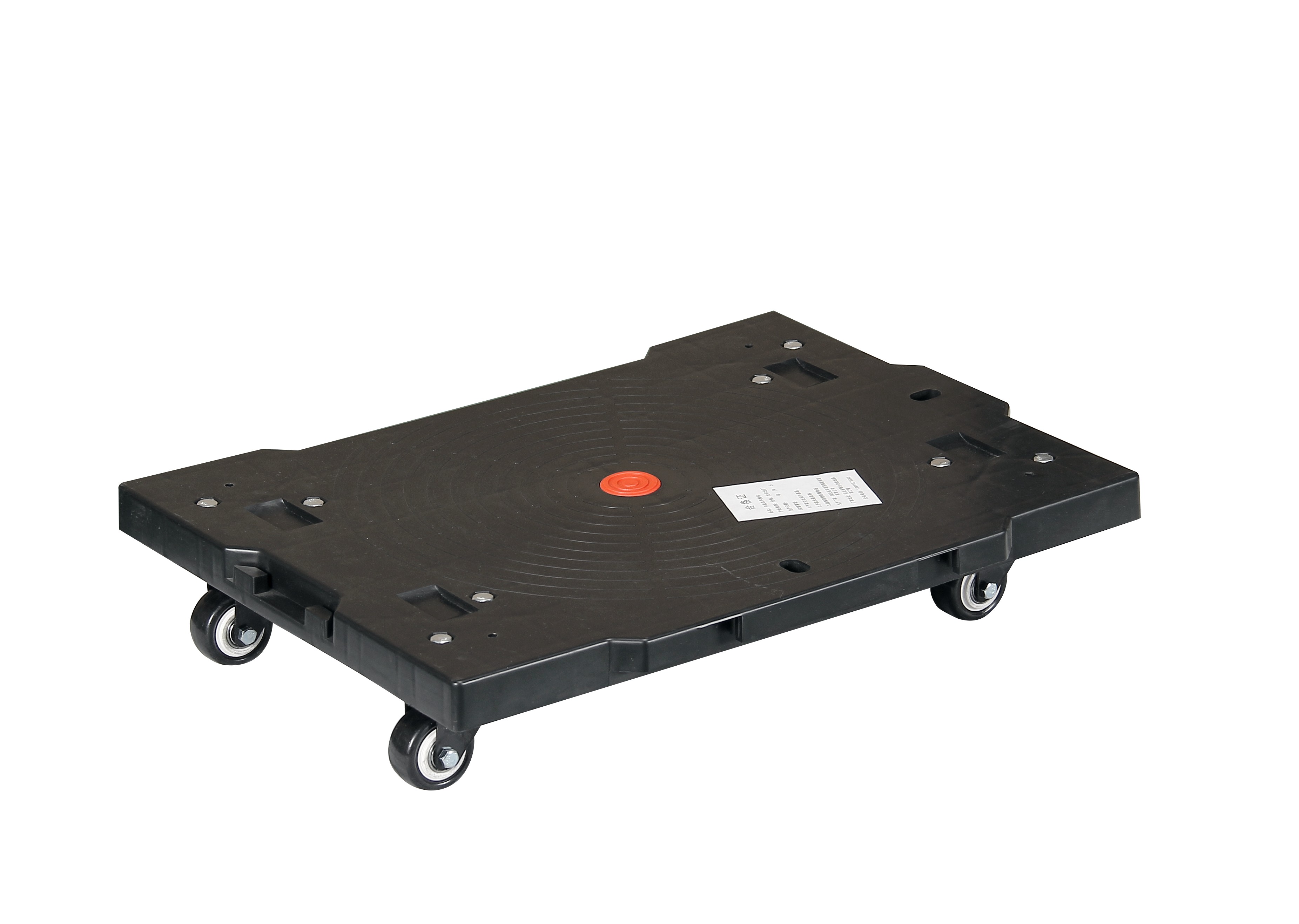
Modular designs completely change how we move bulk materials. Interlocking capabilities stand out as a revolutionary primary advantage. Linking multiple units creates a highly efficient towable train system. This setup drastically increases single-trip throughput. Your team can move massive product volumes seamlessly. They no longer rely exclusively on heavy forklifts for horizontal transit. This reduces warehouse traffic significantly. It also improves overall pedestrian safety during incredibly busy shifts.
Attachment flexibility further maximizes your daily equipment utility. A basic flatbed easily transforms using simple modular uprights or rigid side panels. You can quickly add durable shelving to the rolling base. This configuration functions perfectly as a highly secure Tool Cart. Maintenance teams use these customized carts to carry essential repair gear. It also serves as a highly efficient picking cart for rapid order fulfillment workflows.
Facilities frequently handle uniquely shaped, awkward inventory. Building a Custom Dolly accommodates these non-standard SKUs easily. You can transport oversized automotive parts safely. Moving bulk retail items becomes entirely stress-free. The modular framework requires absolutely no permanent structural welding or irreversible changes.
These transport systems also excel during critical last-mile and cross-docking operations. Modular designs allow your logistics team to pre-stage loads safely inside the warehouse. Workers then roll these pre-packed units directly onto waiting delivery vehicles. This seamless workflow transition minimizes redundant manual handling. It accelerates final dispatch times and ensures faster final deliveries for your customers.
Choosing the right transport equipment directly impacts daily warehouse productivity. Managers must understand the distinct functional differences between common cart types. Misalignment between the chosen tool and the physical task causes immediate operational delays.
Standard hand trucks serve a very specific, limited purpose. They work best for quick, highly localized transport tasks. You typically use them for vertically stacked, lightweight cardboard boxes. However, they suffer from significant physical limitations. They offer notoriously poor horizontal stability during transit. Operators must apply high manual tipping effort to initiate forward movement. This repetitive physical stress causes long-term shoulder and back fatigue.
Furniture dollies handle occasional moving tasks reasonably well. They work effectively for bulky, flat-bottomed items like wooden desks or metal cabinets. Yet, their basic limitations restrict them from daily industrial use. They completely lack push or pull handle control. Their unprotected wood or carpet construction absorbs moisture, oils, and dirt rapidly. This makes them highly unsuitable for strict industrial sanitation standards. They degrade exceptionally quickly under heavy, repeated commercial use.
Industrial modular units provide a highly engineered alternative. Manufacturers design them specifically for dynamic, high-capacity industrial loads. They feature ergonomic push and pull control handles. Operators enjoy predictable steering control even under maximum payload limits. Furthermore, you can seamlessly integrate them into advanced automated guided vehicle (AGV) systems. They also pair perfectly with motorized tugger trains for long-distance facility transport.
Equipment Comparison Matrix
Equipment Type | Best Use Case | Primary Limitations | Industrial Suitability |
|---|---|---|---|
Standard Hand Truck | Quick transport of lightweight, vertically stacked boxes | Poor horizontal stability; requires high tipping effort | Low to Medium |
Furniture Dolly | Occasional moving of flat-bottomed, bulky office items | No handle control; poor sanitation compliance | Low |
Modular Industrial Unit | Dynamic, high-capacity loads and tugger train integration | Requires initial facility infrastructure auditing | High |
Procuring the right modular equipment requires strict, authoritative evaluation criteria. You must clearly distinguish between dynamic and static load ratings. Static capacity measures the maximum weight a unit holds while sitting entirely still. Dynamic capacity dictates the safe weight limit while moving over uneven surfaces. Never evaluate a prospective equipment purchase based solely on static numbers. This common procurement mistake often leads to catastrophic equipment failure on the active warehouse floor.
Caster wheel specifications demand equal technical attention during procurement. You must match the wheel material carefully to your specific floor types. Consider the following material guidelines to optimize daily performance:
Polyurethane: This material balances rolling resistance and noise reduction effectively. It suits most standard concrete warehouse floors beautifully.
Rubber: These wheels offer excellent grip and floor protection. However, they may slightly increase the manual pushing effort required from your staff.
Nylon: Hard nylon rejects floor debris exceptionally well. It carries heavy loads easily but generates significantly more noise on hard surfaces.
Configuration also matters immensely when designing your ideal transport system. Combining swivel and rigid casters optimizes daily maneuverability. The correct placement dictates the absolute turning radius of the cart. This directly impacts how easily operators navigate narrow warehouse aisles safely.
Finally, evaluate base material durability and regulatory compliance. Steel frames offer incredible weight-to-strength ratios for heavy industrial applications. Heavy-duty polymer bases resist harsh chemical corrosion exceptionally well. They provide ideal transport solutions for strictly regulated food and pharmaceutical sectors. Polymer ensures total washdown compliance while effortlessly maintaining core structural integrity.
Introducing a new transport system involves specific rollout realities and challenges. You must conduct comprehensive facility infrastructure audits first. Doing so prevents unexpected operational hurdles. Consider implementing the following systematic audit steps:
Measure your absolute minimum aisle widths to ensure train compatibility.
Calculate the exact ramp gradients across your entire material handling footprint.
Inspect concrete expansion joints for damaging gaps or severe unevenness.
Verify designated staging areas before committing to any specific caster specification.
Workflow integration requires highly deliberate planning from warehouse leadership. Towable trains dramatically increase efficiency but carry distinct floor traffic risks. They can easily create severe aisle congestion if poorly managed. Establish strict floor routing rules prior to the official rollout. You must also define clear designated parking zones. This practice guarantees you maintain safe pedestrian aisle clearance at all times.
Operator adoption determines your ultimate implementation success. Workers often resist new equipment initially due to familiar daily habits. Overcome this hesitation through comprehensive, hands-on ergonomic training. Emphasize exactly how the new modular systems reduce necessary push and pull forces. Teach them the proper interlocking mechanisms to ensure both team safety and operational speed.
A truly successful rollout also requires properly managed maintenance overhead. Establish a scheduled caster inspection program immediately after deployment. Localized wheel wear drastically increases rolling resistance over time. Unchecked friction will quickly drag down your overall transport efficiency. Regular, documented maintenance ensures your financial investment continues performing at peak operational capacity for years.
Modular material handling systems offer profound operational advantages for modern logistics facilities. They permanently shift your transport strategy from a fixed constraint into a highly adaptable asset. You instantly gain the flexibility to meet unpredictable daily inventory demands safely and efficiently.
We highly advise logistics managers to take proactive steps before engaging suppliers. Here are the actionable next steps for your facility:
Audit your current logistics flow and measure existing dead-heading transport rates.
Count your idle, specialized cart inventory currently sitting unused in storage.
Use this internal data to build a smart, targeted vendor shortlisting process.
Initiate a localized pilot program using a small batch of modular units.
Deploy these initial units into a known high-friction workflow zone. Cross-docking sectors or complex returns processing areas serve as excellent testing grounds. Monitor the initial productivity results carefully alongside your operating team. This targeted deployment approach establishes a highly reliable baseline ROI before scaling facility-wide.
A: A dolly traditionally implies a flush deck, often without fixed handles. This makes it ideal for handling bulky, oversized items. Conversely, modular units feature removable handles and adaptable uprights. This built-in modularity allows them to function effectively as both. You can instantly configure the deck based on your immediate horizontal transport needs.
A: Yes, they safely replace forklifts for the horizontal transport of mid-weight goods. Linking them into a towable tugger train system allows a single operator to move massive volumes efficiently. This drastically reduces dangerous forklift traffic on the floor. It also significantly lowers fuel consumption and costly machine maintenance.
A: Start by thoroughly assessing your facility's floor condition. Smooth concrete requires different materials than grooved or uneven surfaces. Next, calculate the maximum required dynamic load capacity per wheel. Finally, evaluate any secondary environmental requirements. Determine if your operation needs specific noise reduction, debris rejection, or strict chemical resistance.


