


Views: 0 Author: Site Editor Publish Time: 2025-07-08 Origin: Site


A dolly is a versatile tool designed to make moving heavy objects easier. Whether you're moving furniture, appliances, or industrial equipment, a dolly can save time and prevent physical strain. However, improper use of a dolly can lead to accidents, injuries, or damage to the items being moved. This article will focus on how to safely use a dolly to ensure smooth and secure transportation of heavy items.
Introduction
What is a Dolly?
Why is Safety Important When Using a Dolly?
Step-by-Step Guide for Safely Using a Dolly
Common Mistakes to Avoid When Using a Dolly
Safety Tips for Moving Heavy Items
How to Maintain Your Dolly for Safety and Durability
Conclusion
Frequently Asked Questions
A dolly is a wheeled platform designed to carry heavy loads, allowing for easy movement of bulky or large items. The key components of a dolly include:
Platform: The flat surface on which the items rest.
Wheels: The wheels allow the dolly to move smoothly and are available in different materials, including rubber, steel, and plastic.
Handle (optional): Some dollies include a handle for better maneuverability, especially for furniture dollies and industrial dollies.
Different types of dollies are available, each designed for specific tasks such as moving furniture, appliances, or industrial equipment. Regardless of the type, safety should always be a top priority when using a dolly.
Safety is paramount when using a dolly, and here are some reasons why:
Prevention of Injuries: Using a dolly incorrectly can lead to physical strain, including back injuries, muscle pulls, and strains. Lifting, pushing, or pulling heavy objects improperly can be dangerous without the right technique.
Preventing Damage: If not used carefully, a dolly can cause items to fall or shift, leading to damage. For instance, an item that isn’t securely placed on the dolly could fall off during transport and get damaged.
Efficiency: Using the dolly safely and correctly improves efficiency. When the dolly is properly loaded and maneuvered, the moving process becomes faster, smoother, and safer.
By following the correct safety protocols when using a dolly, you can minimize the risk of injury or damage, making the task much easier and safer.
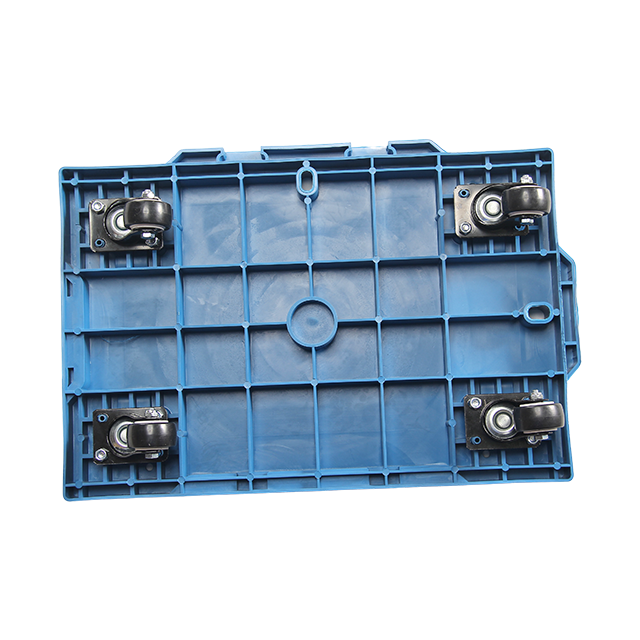
Follow these steps to ensure safe and effective use of your dolly:
The first step to using a dolly safely is to choose the correct one for the job. Ensure that the dolly is rated for the weight and size of the item you intend to move.
For larger items like furniture, use a furniture dolly.
For heavier or bulkier items like appliances, opt for an appliance dolly.
Industrial dollies are ideal for moving equipment or machinery.
Before using the dolly, make sure the path is clear of any obstacles. This will ensure that you can move the dolly smoothly without any interruptions.
Remove any objects, debris, or tripping hazards.
Ensure there is enough space for the dolly to move freely.
Carefully load the item onto the dolly. For proper balance, make sure the item is centered and evenly distributed on the dolly.
For heavy items, use straps or ropes to secure them to the dolly to prevent them from shifting or falling.
For smaller items, place them gently on the dolly, ensuring they are stable.
When loading or unloading items from the dolly, always use proper lifting techniques to avoid injury. Bend at your knees, not your back, and keep the item close to your body.
For large items, ask for help to ensure the load is safely lifted onto the dolly.
When moving the dolly, avoid rushing. Move at a steady pace and make sure you have full control over the load.
For heavy items, push the dolly rather than pulling it. Pushing provides better control and less strain on your body.
Always keep your body aligned and avoid twisting or jerking movements.
If you are moving especially heavy items, take short breaks to rest and reduce the risk of strain. Never attempt to move a load that is too heavy for you to handle.
To ensure safe use of a dolly, here are some common mistakes you should avoid:
Overloading the Dolly:
Never exceed the weight limit specified for your dolly. Overloading can cause instability, tipping, and potential damage to the dolly and the item.
Improper Wheel Selection:
Choosing the wrong type of wheels for the terrain can make moving difficult. If you’re moving over rough surfaces, use a dolly with large, durable wheels to avoid getting stuck.
Failing to Secure the Load:
Always ensure the item is securely fastened to the dolly before moving it. An unsecured load can cause items to shift, fall off, or get damaged.
Improper Lifting Techniques:
Always bend your knees and lift with your legs, not your back, to avoid injuries when loading or unloading items onto the dolly.
Rushing:
Speeding through the process can lead to accidents. Take your time to ensure the load is secure and you have full control over the dolly.
When using a dolly to move heavy items, here are some additional safety tips to keep in mind:
Use the Correct Dolly for the Task:
Always select a dolly designed for the specific task at hand. Whether it’s for moving furniture, appliances, or industrial equipment, ensure the dolly is rated for the load.
Ensure Proper Balance:
Make sure the item is balanced on the dolly. Uneven weight distribution can cause tipping or instability during transport.
Wear Protective Gear:
If moving heavy or bulky items, wear appropriate gear such as closed-toe shoes and gloves to protect yourself from injury.
Work in Pairs for Large Loads:
For larger or heavier items, enlist the help of a colleague or friend to help with the loading, maneuvering, and unloading processes.
To ensure your dolly remains safe and effective for use, regular maintenance is essential:
Check the Wheels:
Inspect the wheels for wear and tear. Lubricate the wheels regularly to ensure smooth movement.
Tighten Loose Screws and Bolts:
Periodically check and tighten any loose screws or bolts on the dolly to keep it stable and secure.
Clean the Dolly:
Remove dirt, debris, and dust from the dolly to prevent damage to the wheels and platform.
Inspect for Damage:
Regularly inspect the dolly for any cracks or signs of wear. Replace any damaged parts to maintain safety.
Using a dolly safely is crucial to ensure efficient and injury-free moving. By choosing the right dolly, using proper lifting techniques, and maintaining safety throughout the process, you can move heavy and bulky items with ease. Always prioritize safety to prevent accidents and ensure the longevity of both your dolly and the items being transported.
How do I know which dolly to use for my item?
Choose a dolly that is rated for the weight and size of the item. For heavy items, such as appliances, opt for an appliance dolly, while furniture dollies work well for large pieces of furniture.
Can I move a dolly with heavy loads by myself?
It’s recommended to have help when moving particularly heavy items, as this reduces the risk of injury. For smaller loads, a single person can manage the dolly.
How often should I inspect my dolly?
Check your dolly before each use for any signs of wear or damage. Regular inspections can prevent accidents and ensure safe operation.
What should I do if the dolly becomes damaged?
If you notice any damage, stop using the dolly immediately. Replace any damaged parts or purchase a new dolly if necessary.
Langyi provides a wide range of dollies designed for various moving tasks. For more information about our dollies and how they can help streamline your moving process, contact us today!


